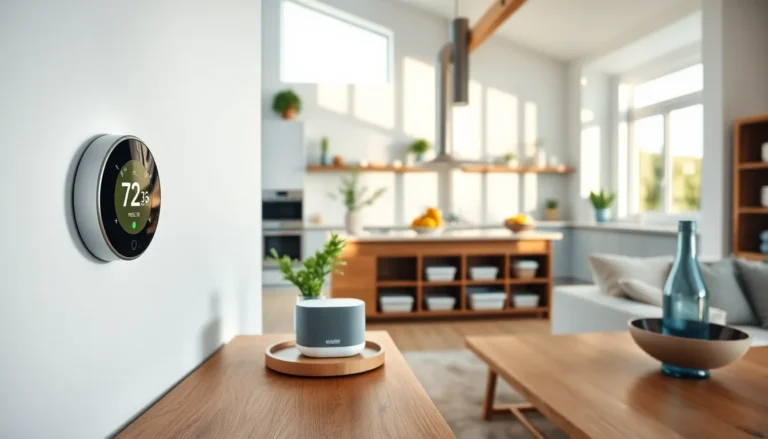

Smart living tips help people save time, money, and energy while improving their daily routines. The concept goes beyond owning the latest gadgets, it’s about making intentional choices that create a more efficient and fulfilling life.
Whether someone wants to cut monthly expenses, reduce their environmental footprint, or simply feel less overwhelmed by daily tasks, smart living offers practical solutions. This guide explains what smart living means, why it matters, and how anyone can start making smarter choices today.
Table of Contents
ToggleKey Takeaways
- Smart living tips focus on efficiency, intentionality, and sustainability to save time, money, and energy in daily life.
- Automating recurring tasks like bill payments and savings contributions eliminates late fees and builds consistent financial progress.
- Simple home upgrades such as LED lighting and programmable thermostats can reduce energy costs by up to 10% annually.
- Start your smart living journey by identifying your top three daily frustrations and addressing one area at a time.
- Build systems rather than relying on willpower—create environments where smart choices become the default option.
- Review your progress monthly and adjust strategies to find what works best for your household.
Understanding Smart Living and Its Benefits
Smart living refers to the practice of using technology, planning, and mindful habits to improve quality of life. It involves making deliberate decisions about how to spend time, money, and resources.
At its core, smart living combines three elements:
- Efficiency: Completing tasks with less effort and fewer resources
- Intentionality: Making conscious choices rather than defaulting to habits
- Sustainability: Considering long-term impacts on health, finances, and the environment
The benefits of adopting smart living tips extend to multiple areas of life. People who embrace this approach often report lower stress levels because they spend less time on repetitive tasks. They also tend to save money through better budgeting and reduced waste.
Smart living doesn’t require expensive technology or drastic lifestyle changes. Simple adjustments, like meal planning, automating bill payments, or switching to energy-efficient lighting, can produce significant results over time.
Another key benefit is environmental impact. Smart living tips frequently align with sustainable practices. When households reduce energy consumption or minimize food waste, they lower their carbon footprint while saving money.
The psychological benefits deserve attention too. Clutter-free spaces, organized schedules, and automated routines free up mental bandwidth. This mental clarity helps people focus on what matters most to them, whether that’s family time, career goals, or personal hobbies.
Practical Smart Living Tips for Everyday Life
Implementing smart living tips doesn’t require a complete lifestyle overhaul. Small, consistent changes lead to meaningful results. Here are specific strategies organized by category.
Financial and Time Management Strategies
Money and time are interconnected resources. Smart living tips for managing both include:
Automate recurring tasks. Set up automatic payments for bills, subscriptions, and savings contributions. This eliminates late fees and ensures consistent progress toward financial goals.
Use the 50/30/20 budget rule. Allocate 50% of income to needs, 30% to wants, and 20% to savings or debt repayment. This simple framework works for most income levels.
Batch similar activities. Group errands by location. Schedule all phone calls for one time block. Cook multiple meals in a single session. Batching reduces transition time between tasks.
Apply the two-minute rule. If a task takes less than two minutes, complete it immediately rather than adding it to a list. This prevents small tasks from piling up.
Review subscriptions quarterly. Cancel services that go unused. The average household spends over $200 monthly on subscriptions, and many forget what they’ve signed up for.
Creating a Healthier and More Sustainable Home
The home environment directly affects health, productivity, and expenses. These smart living tips help optimize living spaces:
Install a programmable thermostat. Adjusting temperature by 7-10 degrees for 8 hours daily can reduce heating and cooling costs by up to 10% annually.
Switch to LED lighting. LED bulbs use 75% less energy than incandescent options and last 25 times longer. The upfront cost pays for itself within months.
Declutter regularly. Excess possessions require time to organize, clean, and maintain. Donating or selling unused items simplifies daily life and can generate extra income.
Prioritize indoor air quality. Houseplants, proper ventilation, and regular filter changes improve air quality. Better air supports sleep, concentration, and respiratory health.
Reduce single-use items. Reusable water bottles, shopping bags, and food containers cut costs and reduce waste. Many households save $500 or more annually by eliminating disposable products.
Create designated zones. Assign specific purposes to different areas. A dedicated workspace improves focus. A clutter-free entryway reduces morning stress. Clear zones help household members maintain organization.
How to Start Your Smart Living Journey
Beginning a smart living journey works best with a focused approach. Trying to change everything at once usually leads to burnout. Here’s a practical starting framework.
Step 1: Identify pain points. Write down the three biggest frustrations in daily life. Maybe it’s never having enough time for hobbies, feeling overwhelmed by clutter, or watching money disappear without knowing where it goes. Smart living tips work best when they target specific problems.
Step 2: Choose one area to address first. Focus on a single category, finances, time management, home organization, or health. Mastering one area builds confidence and momentum for tackling others.
Step 3: Set measurable goals. Vague intentions like “save more money” rarely succeed. Specific targets like “reduce grocery spending by $100 monthly” provide clear direction and allow progress tracking.
Step 4: Start with quick wins. Early success builds motivation. Canceling an unused subscription, decluttering one drawer, or automating one bill payment requires minimal effort but demonstrates immediate results.
Step 5: Build systems, not willpower. Smart living tips succeed when they become automatic. Create environments and routines that make good choices the default option. Place healthy snacks at eye level in the refrigerator. Keep a donation box near the closet. Set up automatic transfers to savings accounts.
Step 6: Review and adjust monthly. Spend 30 minutes each month evaluating what’s working. Smart living is personal, strategies that help one household may not suit another. Continuous refinement leads to lasting improvement.
The key is patience. Sustainable change happens gradually. Each smart choice compounds over time, creating a lifestyle that feels easier and more satisfying.