
Smart living tips vs traditional living, it’s a debate that shapes how millions of people organize their homes, manage their time, and spend their money. Some embrace automation, voice assistants, and connected devices. Others prefer manual controls, simpler routines, and time-tested methods. Both approaches have clear advantages. The right choice depends on individual priorities, budget, and comfort with technology.
This article compares smart living tips vs traditional living across key areas. Readers will learn what defines each approach, how they differ in practice, and which lifestyle fits specific needs. Whether someone wants to upgrade their home or stick with what works, this guide offers practical insights to make an well-informed choice.
Table of Contents
ToggleKey Takeaways
- Smart living tips vs traditional living ultimately depends on your budget, tech comfort, and priorities like convenience, privacy, or energy savings.
- Smart devices cost more upfront ($100–$300 for a thermostat) but often deliver long-term savings through automated energy efficiency.
- Traditional living offers simplicity, reliability, and lower costs with no learning curve or privacy concerns from data collection.
- A hybrid approach lets you automate high-impact areas like climate control while keeping other systems manual for the best of both worlds.
- Test one or two smart devices before committing to a full system to see if the convenience justifies the cost and complexity.
- The global smart home market exceeded $115 billion in 2023, showing growing adoption across all demographics.
What Is Smart Living?
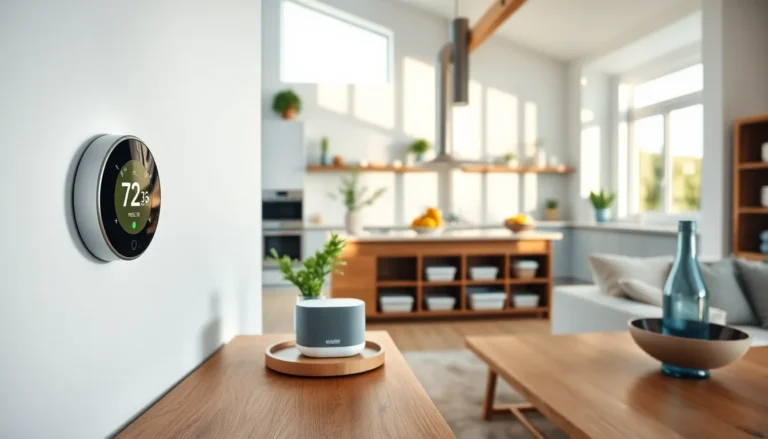
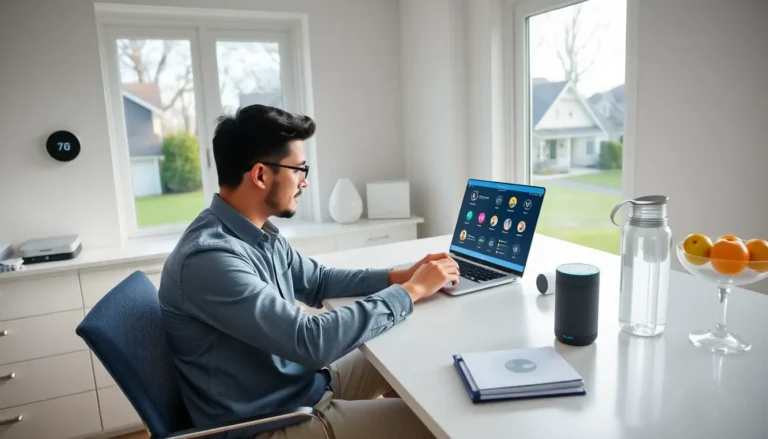
Smart living uses technology to automate daily tasks and improve home efficiency. It includes devices like smart thermostats, connected lighting, voice-controlled assistants, and security cameras that sync to smartphones. The goal is convenience, controlling multiple systems from one app or through voice commands.
A smart home might adjust the temperature before residents arrive. Lights can turn on at sunset automatically. Door locks respond to fingerprints or phone signals. These features save time and often reduce energy bills.
Smart living tips vs traditional methods show clear differences in approach. Smart systems rely on internet connectivity and compatible devices. Traditional living uses manual switches, analog thermostats, and physical keys. Neither is inherently better, they serve different preferences.
The smart living market has grown significantly. According to Statista, the global smart home market reached over $115 billion in 2023. More households adopt these technologies each year. But adoption rates vary based on age, income, and tech comfort levels.
Smart living also extends beyond home automation. It includes digital tools for budgeting, health tracking, and meal planning. Apps can monitor sleep patterns, suggest grocery lists, and track fitness goals. This connected approach appeals to people who want data-driven decisions in daily life.
Key Differences Between Smart and Traditional Living
The smart living tips vs traditional living comparison reveals several core differences.
Control Methods
Smart living uses apps, voice commands, and automated schedules. Traditional living relies on manual operation, flipping switches, turning dials, and inserting keys. Smart systems offer remote access. Traditional methods require physical presence.
Initial Investment
Smart devices cost more upfront. A smart thermostat runs between $100 and $300. A basic programmable thermostat costs $25 to $50. Smart bulbs cost $10 to $50 each, while traditional LED bulbs cost $2 to $8. But, smart devices often deliver long-term savings through energy efficiency.
Learning Curve
Smart living requires setup time and technical knowledge. Users must connect devices to Wi-Fi, download apps, and configure settings. Traditional living needs no learning curve, most people already know how to operate conventional systems.
Maintenance and Updates
Smart devices need software updates and occasional troubleshooting. They depend on internet connectivity and manufacturer support. Traditional systems require basic maintenance but rarely become obsolete due to software changes.
Privacy Considerations
Smart devices collect data. Voice assistants record commands. Security cameras store footage in the cloud. Traditional living generates no digital footprint within the home. This difference matters to privacy-conscious individuals.
Energy Management
Smart systems excel at energy optimization. They adjust heating, cooling, and lighting based on occupancy patterns. Traditional approaches rely on user habits and manual adjustments. Smart living tips vs traditional methods often favor automation for consistent energy savings.
Pros and Cons of Each Approach
Smart Living Advantages
- Convenience: Control everything from a phone or through voice commands
- Energy savings: Automated systems reduce waste by adjusting to actual usage
- Security features: Real-time alerts, remote monitoring, and smart locks add protection
- Customization: Create scenes and schedules that match daily routines
- Accessibility: Voice control helps people with mobility challenges
Smart Living Disadvantages
- Higher costs: Devices and professional installation add up quickly
- Technical issues: Internet outages disable many features
- Privacy risks: Connected devices can be vulnerable to hacking
- Obsolescence: Manufacturers may discontinue support for older devices
- Complexity: Multiple apps and systems can become frustrating to manage
Traditional Living Advantages
- Simplicity: No apps, updates, or technical knowledge required
- Reliability: Systems work without internet or electricity (for some functions)
- Lower upfront costs: Standard fixtures and appliances cost less
- Privacy: No data collection or digital vulnerabilities
- Longevity: Traditional systems often last decades with basic maintenance
Traditional Living Disadvantages
- Less efficient: Manual operation can lead to energy waste
- Limited convenience: No remote access or automation
- Fewer security options: Basic locks and manual alarm systems offer less protection
- No integration: Each system operates independently
Smart living tips vs traditional living really comes down to trade-offs. Convenience costs money and privacy. Simplicity means sacrificing automation and some efficiency gains.
How to Choose the Right Lifestyle for You
Selecting between smart living tips vs traditional living depends on several personal factors.
Assess Your Tech Comfort Level
Some people enjoy setting up devices and learning new systems. Others find technology frustrating. Honest self-assessment prevents buyer’s remorse. Start small with one or two smart devices before committing to a full system.
Consider Your Budget
Smart living requires investment. A basic smart home setup, thermostat, a few bulbs, and a voice assistant, costs $200 to $500. A comprehensive system with security cameras, smart locks, and whole-home automation can exceed $5,000. Traditional upgrades typically cost less.
Evaluate Your Priorities
Energy savings matter more to some households. Security concerns drive others. Convenience appeals to busy professionals. Privacy ranks high for many families. List priorities before shopping for solutions.
Think About Your Living Situation
Renters may prefer portable smart devices they can take when moving. Homeowners can invest in permanent installations. Older homes may need electrical upgrades to support smart systems. New construction often includes smart-ready wiring.
Test Before Committing
Many retailers allow returns on smart devices. Try a smart plug or bulb for a few weeks. See if the convenience justifies the cost and complexity. This trial approach reduces risk.
Blend Both Approaches
Many households combine smart living tips vs traditional living. They automate high-impact areas like climate control while keeping other systems manual. This hybrid approach captures benefits from both lifestyles without full commitment to either.