
Smart living tips and techniques help people save time, reduce stress, and build better daily habits. The concept sounds simple, but applying it consistently requires real strategy. Most people want to live more efficiently. They just don’t know where to start.
This guide breaks down practical approaches to smart living across five key areas: time management, financial habits, home organization, and technology use. Each section offers actionable steps anyone can apply today. No abstract advice here, just clear methods that deliver results.
Table of Contents
ToggleKey Takeaways
- Smart living tips and techniques focus on building intentional systems that save time, reduce stress, and optimize daily routines.
- Time blocking increases productivity by 20-30% compared to reactive scheduling, making it a cornerstone of efficient living.
- Automating savings and bills removes willpower from the equation and helps people save up to 50% more consistently.
- Designating permanent spots for everyday items like keys and chargers eliminates the 2.5 days per year the average person spends searching for lost things.
- Smart home devices like programmable thermostats and meal planning apps simplify daily tasks while cutting costs and reducing decision fatigue.
- Small, consistent habits compound over time—a 15-minute daily reset prevents clutter and keeps smart living practices sustainable.
What Is Smart Living and Why It Matters
Smart living means making intentional choices that improve quality of life while reducing wasted effort. It combines practical habits, helpful tools, and thoughtful planning into a unified approach.
People often confuse smart living with minimalism or frugality. Those concepts overlap, but smart living is broader. Someone practicing smart living might automate their bills, batch-cook meals on Sundays, and use a robot vacuum. The goal isn’t deprivation, it’s optimization.
Why does this matter? The average American spends over 2 hours daily on household tasks, according to the Bureau of Labor Statistics. Add commuting, errands, and administrative work, and discretionary time shrinks fast. Smart living techniques reclaim those hours.
There’s also the mental load factor. Constant decision-making drains energy. When systems handle routine choices automatically, people think more clearly about what actually matters. A 2019 study in the Journal of Personality and Social Psychology found that reducing daily decisions improved reported well-being significantly.
Smart living isn’t about perfection. It’s about building systems that work even on chaotic days. Small changes compound over time into major lifestyle improvements.
Time Management Strategies for Everyday Efficiency
Time management forms the foundation of smart living tips and techniques. Without control over their schedule, people struggle to carry out any other improvements.
Time Blocking Works Better Than To-Do Lists
To-do lists create an illusion of productivity. Time blocking delivers actual results. This method assigns specific tasks to specific hours. A person might block 9-11 AM for deep work, 11-12 PM for emails, and 2-4 PM for meetings.
Cal Newport, author of Deep Work, advocates this approach. His research shows that time blocking increases output by 20-30% compared to reactive scheduling.
The Two-Minute Rule
David Allen’s productivity classic Getting Things Done introduced this principle: if a task takes less than two minutes, do it immediately. Postponing small tasks creates mental clutter and longer lists. Quick execution keeps the mind clear.
Batch Similar Tasks Together
Context switching kills efficiency. The brain needs 15-25 minutes to fully refocus after an interruption. Batching similar activities, like answering all emails at once or running all errands in one trip, reduces these costly transitions.
Set Boundaries Around Availability
Constant availability destroys focus. Smart living requires protecting blocks of uninterrupted time. This might mean silencing notifications during work hours or establishing “office hours” for colleagues and family.
These time management techniques create space for everything else in this guide.
Financial Habits That Support Smarter Living
Money stress undermines every other aspect of life. Smart living tips include financial practices that reduce anxiety and build long-term security.
Automate Savings and Bills
Automation removes willpower from the equation. Setting up automatic transfers to savings accounts ensures consistent contributions. Automated bill payments prevent late fees and protect credit scores.
A study by Vanguard found that employees who auto-enrolled in 401(k) plans saved 50% more than those who enrolled manually. The principle applies broadly: what’s automatic gets done.
Track Spending for One Month
Most people underestimate their expenses. Tracking every purchase for 30 days reveals patterns. Someone might discover they spend $200 monthly on subscriptions they barely use.
Apps like YNAB, Mint, or even a simple spreadsheet work for this exercise. The awareness itself changes behavior.
Use the 24-Hour Rule for Purchases
Impulse buying derails budgets. Waiting 24 hours before non-essential purchases over $50 prevents regret. Often, the urge passes. If it doesn’t, the purchase was probably justified.
Build an Emergency Fund First
Financial experts recommend 3-6 months of expenses in accessible savings. This buffer transforms emergencies into inconveniences. Without it, a car repair or medical bill becomes a crisis.
These financial habits support smart living by reducing stress and creating freedom.
Creating a Clutter-Free and Organized Home
Physical environment affects mental state directly. Cluttered spaces increase cortisol levels and reduce focus. Smart living techniques include maintaining an organized home.
Start With High-Impact Areas
Don’t tackle the entire house at once. Focus on spaces that cause the most friction: the kitchen counter, entryway, or desk. Clearing these areas creates momentum.
Marie Kondo’s method works for many people, but any systematic approach helps. The key is consistency, not perfection.
One In, One Out
For every new item entering the home, one leaves. This rule prevents accumulation and forces intentional purchasing decisions. It works for clothes, books, kitchen gadgets, everything.
Create Designated Spots
Keys, wallets, chargers, and remote controls need permanent homes. The average person spends 2.5 days per year looking for lost items. Designated spots eliminate this waste entirely.
Declutter Digitally Too
Smart living extends to digital spaces. Unsubscribe from unnecessary emails. Delete unused apps. Organize computer files into logical folders. Digital clutter creates the same cognitive burden as physical mess.
Schedule Regular Maintenance
A 15-minute daily reset prevents clutter from accumulating. Weekly, someone might spend an hour on deeper organization. These small investments prevent overwhelming weekend cleaning sessions.
Organized spaces make every other smart living practice easier to maintain.
Embracing Technology to Simplify Daily Tasks
Technology offers powerful tools for smart living when used intentionally. The trick is choosing solutions that genuinely save time rather than adding complexity.
Smart Home Devices
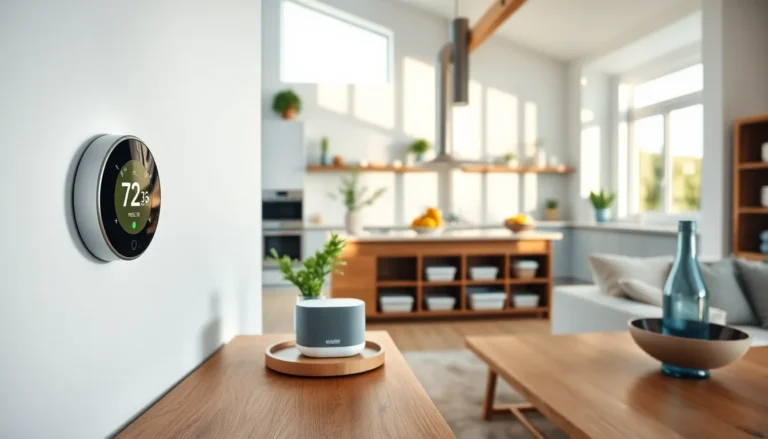
Smart thermostats like Nest or Ecobee learn household patterns and optimize heating and cooling automatically. They reduce energy bills by 10-15% on average while maintaining comfort.
Smart plugs turn regular appliances into automated devices. Coffee makers can start brewing before the alarm goes off. Lights can simulate occupancy during vacations.
Meal Planning Apps
Apps like Mealime or Paprika generate weekly meal plans and shopping lists automatically. This eliminates the daily “what’s for dinner” question and reduces food waste.
Calendar and Task Management Tools
Google Calendar, Todoist, or Notion help people track commitments and projects in one place. Shared calendars coordinate family schedules without constant texting.
Voice Assistants for Quick Tasks
Alexa, Google Assistant, and Siri handle timers, reminders, quick searches, and smart home controls through voice commands. These small conveniences add up across hundreds of daily interactions.
Automation Platforms
Tools like IFTTT or Zapier connect different apps and services. Someone might automate saving email attachments to cloud storage or logging completed tasks to a spreadsheet.
Smart living tips and techniques often leverage these technologies. The investment in setup time pays dividends for years.