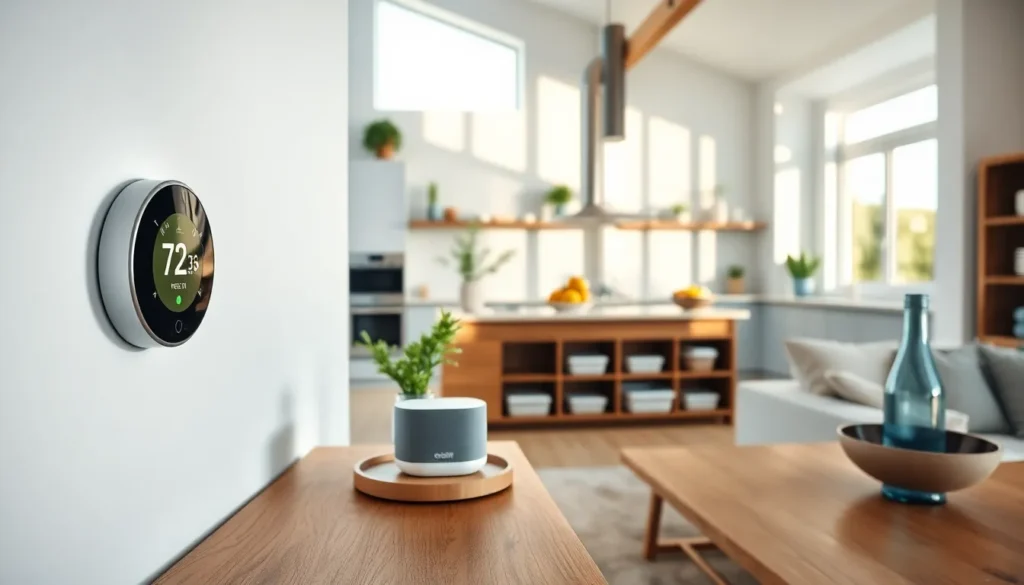
Smart living tips can transform the way people manage their homes, time, and resources. Modern life moves fast, and daily routines often feel overwhelming. The good news? Small changes create big results. From automating household tasks to building healthier habits, smart living makes each day more efficient and enjoyable.
This guide covers practical strategies anyone can use. Readers will learn how to streamline their spaces, spend money wisely, and adopt sustainable practices. These aren’t abstract ideas, they’re actionable steps that fit into real life. Whether someone wants to save time, reduce stress, or live more intentionally, these smart living tips offer a clear path forward.
Key Takeaways
- Smart living tips help you automate household tasks, declutter spaces, and build healthier habits for a more efficient daily life.
- Start small with home automation—add one or two smart devices like thermostats or robot vacuums before expanding your setup.
- Use the 24-hour rule before non-essential purchases over $50 to eliminate impulse buys and reduce financial stress.
- Declutter consistently with 15-minute weekly tidying sessions rather than occasional marathon cleaning for lasting results.
- Prioritize health through morning routines, meal prep, and sleep hygiene to build the energy foundation smart living requires.
- Embrace sustainable practices like reusable items and energy-efficient appliances to save money while benefiting the environment.
Automate Your Home for Convenience and Efficiency
Home automation sits at the core of smart living tips for modern households. Smart devices handle repetitive tasks, freeing up time for activities that matter more.
Smart Thermostats
A programmable thermostat learns household patterns and adjusts temperatures automatically. It reduces energy bills by 10-15% on average. Popular options include Nest, Ecobee, and Honeywell models. Set it once, and the system does the rest.
Voice Assistants
Devices like Amazon Echo or Google Home control lights, locks, and appliances through simple voice commands. Want to turn off the living room lights without getting up? Just ask. These assistants also set reminders, play music, and answer questions instantly.
Automated Lighting
Smart bulbs and switches create schedules that match daily routines. Lights turn on at sunset and dim at bedtime. Motion sensors activate lights in hallways and bathrooms, no more fumbling for switches in the dark.
Robot Vacuums
Devices like Roomba or Roborock clean floors while homeowners work, sleep, or relax. Schedule them to run daily, and they’ll maintain clean floors with zero effort.
The key to successful home automation? Start small. Add one or two smart devices, learn how they work, then expand. This approach prevents overwhelm and ensures each addition genuinely improves daily life.
Declutter and Organize Your Spaces
Cluttered spaces drain mental energy. Research from Princeton University found that visual clutter competes for attention, increasing stress and reducing focus. Smart living tips always include organization strategies because they create calm, functional environments.
The One-In-One-Out Rule
For every new item that enters the home, one old item leaves. This simple practice prevents accumulation and forces intentional purchasing decisions.
Zone-Based Organization
Assign specific purposes to each area. The kitchen counter becomes a cooking zone, not a mail drop. The bedroom stays for rest, not work. Clear zones reduce decision fatigue and keep spaces tidy.
Digital Decluttering
Physical spaces aren’t the only areas that need attention. Unsubscribe from unnecessary emails. Delete unused apps. Organize digital photos into folders. A clean digital environment supports productivity just like a clean physical one.
Storage Solutions
Invest in containers, drawer dividers, and shelving systems. Everything should have a designated home. When items have specific places, tidying takes minutes instead of hours.
Decluttering isn’t a one-time event, it’s an ongoing practice. Schedule 15-minute tidying sessions weekly. Small, consistent efforts maintain order better than occasional marathon cleaning sessions.
Adopt Mindful Spending and Budgeting Habits
Financial stress affects 73% of Americans, according to the American Psychological Association. Smart living tips that address money habits reduce anxiety and build long-term security.
Track Every Dollar
Apps like Mint, YNAB, or Personal Capital show exactly where money goes. Many people discover surprising patterns, small subscriptions, frequent takeout orders, or impulse purchases that add up quickly.
The 24-Hour Rule
Before making non-essential purchases over $50, wait 24 hours. This cooling-off period eliminates impulse buys and ensures spending aligns with actual needs and values.
Automate Savings
Set up automatic transfers to savings accounts on payday. Treat savings like a bill that must be paid. Even $50 per month grows into $600 annually, plus interest.
Review Subscriptions Quarterly
Streaming services, gym memberships, software subscriptions, they multiply fast. Review all recurring charges every three months. Cancel anything that doesn’t provide regular value.
Use Cash for Discretionary Spending
Physical money creates a psychological barrier that cards don’t. Withdraw a set amount for entertainment, dining out, or shopping each week. When it’s gone, it’s gone.
Smart living tips around money aren’t about deprivation. They’re about spending intentionally on things that bring genuine satisfaction while eliminating waste.
Prioritize Health and Wellness Every Day
Health forms the foundation of smart living. Without energy and vitality, other improvements matter less. These smart living tips integrate wellness into daily routines without requiring major lifestyle overhauls.
Morning Routines Matter
The first hour sets the day’s tone. Successful people often wake early, hydrate immediately, and move their bodies before checking phones. Even a 10-minute stretch routine improves circulation and mental clarity.
Meal Prep Saves Time and Improves Nutrition
Spend two hours on Sunday preparing meals for the week. Chop vegetables, cook proteins, and portion snacks. When healthy food is ready to eat, fast food becomes less tempting.
Move Throughout the Day
Sitting for extended periods increases health risks regardless of exercise habits. Set hourly reminders to stand, stretch, or walk. A standing desk or walking meetings add movement naturally.
Sleep Hygiene
Adults need 7-9 hours of quality sleep. Create a bedtime routine: dim lights an hour before bed, avoid screens, keep the bedroom cool. Consistent sleep schedules improve mood, focus, and immune function.
Mental Health Practices
Meditation apps like Calm or Headspace offer guided sessions for beginners. Just 5 minutes daily reduces stress and improves emotional regulation. Journaling also helps process thoughts and track progress.
Health-focused smart living tips compound over time. Small daily habits create dramatic improvements over months and years.
Embrace Sustainable Practices at Home
Sustainability and smart living align naturally. Eco-friendly choices often save money and simplify routines. These smart living tips benefit both households and the environment.
Reduce Single-Use Items
Reusable water bottles, shopping bags, and food containers eliminate constant repurchasing. They’re better for the planet and cheaper long-term. A quality water bottle pays for itself within weeks.
Energy-Efficient Appliances
When replacing appliances, choose Energy Star-certified models. They use 10-50% less energy than standard options. The upfront cost gets offset by lower utility bills over the appliance’s lifetime.
Composting Kitchen Scraps
Food waste represents 30-40% of the U.S. food supply, according to the USDA. Composting turns scraps into nutrient-rich soil for gardens. Countertop composters work for apartments and small spaces.
Smart Water Usage
Low-flow showerheads reduce water consumption by 25-60% without sacrificing pressure. Fix leaky faucets promptly, a drip wastes over 3,000 gallons annually. Water lawns early morning to minimize evaporation.
Buy Quality Over Quantity
Cheap items often need replacement quickly. Investing in durable goods, furniture, clothing, tools, reduces waste and saves money over time. This shift in thinking transforms purchasing habits permanently.
Sustainable smart living tips don’t require perfection. Start with one or two changes, build momentum, and expand from there.