Smart living tips help people save time, money, and energy every single day. Modern life moves fast, and most routines contain inefficiencies that drain resources unnecessarily. The good news? Small adjustments create big results.
This guide covers practical strategies for automation, organization, energy savings, financial management, and personal wellness. Each section offers actionable advice that readers can carry out immediately. Whether someone wants to cut utility bills, declutter their space, or build healthier habits, these smart living tips provide a clear path forward.
Key Takeaways
- Smart living tips help you save time, money, and energy by making small adjustments to daily routines.
- Automating tasks like bill payments, smart home devices, and subscription deliveries reduces decision fatigue and frees up mental energy.
- Organizing your home with zone-based systems and the one-in-one-out rule cuts clutter and lowers stress levels.
- Energy-saving habits like using LED bulbs, washing clothes in cold water, and eliminating phantom loads can reduce utility bills by 10% or more.
- Automating savings with the 50/30/20 budget framework builds wealth without requiring constant willpower or detailed tracking.
- Integrating wellness into existing routines—like batch cooking, taking stairs, and maintaining consistent sleep schedules—makes healthy choices effortless.
Automate Everyday Tasks for Maximum Efficiency
Automation eliminates repetitive work and frees up valuable hours each week. Smart living tips often start here because automation delivers immediate, measurable benefits.
Smart Home Devices
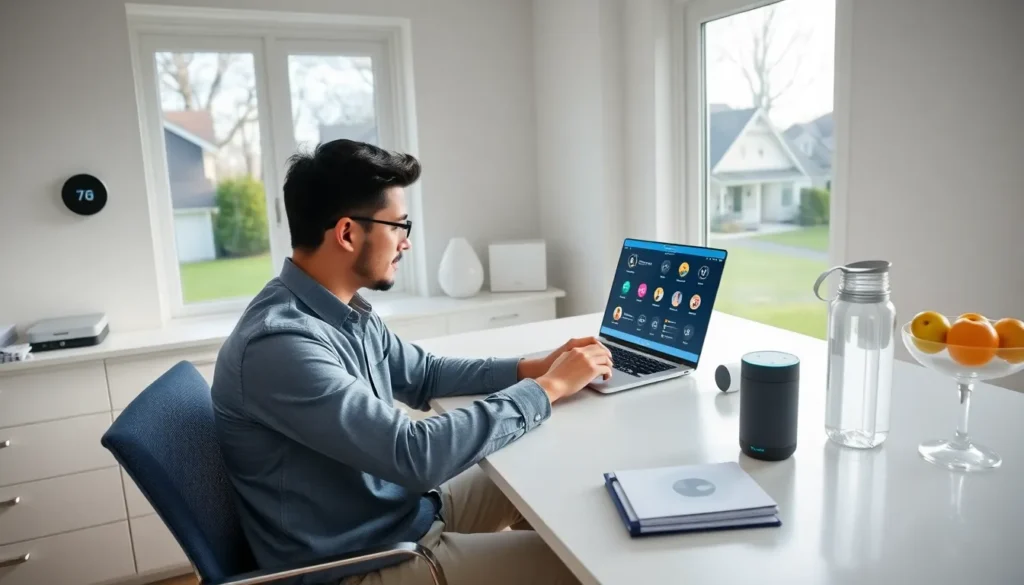
Smart thermostats learn household patterns and adjust temperatures automatically. They reduce heating and cooling costs by 10-15% annually. Smart plugs turn off devices when not in use, preventing phantom energy drain.
Voice assistants like Alexa and Google Home control lights, locks, and appliances with simple commands. Users can set routines that dim lights at bedtime or start the coffee maker each morning.
Digital Automation Tools
Automated bill payments prevent late fees and protect credit scores. Most banks offer free scheduling features that handle recurring expenses.
Apps like IFTTT (If This Then That) connect different services together. For example, one automation can save email attachments directly to cloud storage. Another can add calendar events from specific emails automatically.
Subscription Services
Automatic deliveries of household essentials, paper towels, pet food, cleaning supplies, eliminate last-minute shopping trips. Amazon Subscribe & Save and similar programs often include discounts for recurring orders.
These smart living tips around automation work because they remove decision fatigue. The brain makes thousands of choices daily: reducing small ones preserves mental energy for what matters.
Organize Your Home for a Clutter-Free Environment
Clutter creates stress. Studies from UCLA’s Center on Everyday Lives and Families found that clutter directly correlates with cortisol levels, especially in women. Organization represents one of the most impactful smart living tips available.
The One-In-One-Out Rule
Every new item that enters the home requires one existing item to leave. This simple practice prevents accumulation over time. It works particularly well for clothing, kitchen gadgets, and children’s toys.
Zone-Based Organization
Assign specific zones for specific activities. Keys, wallets, and bags belong near the door. Mail gets opened and sorted in one designated spot. Charging stations keep devices in one location.
This approach reduces the time spent searching for items. The average American spends 2.5 days per year looking for lost things. Zone-based organization cuts that number dramatically.
Seasonal Decluttering Sessions
Schedule quarterly reviews of closets, garages, and storage areas. Ask three questions about each item:
- Did anyone use this in the past year?
- Does it serve a clear purpose?
- Would replacing it cost less than storing it?
Items that fail all three questions should go.
Storage Solutions That Work
Vertical storage maximizes floor space. Clear containers let people see contents without opening lids. Labels on shelves and bins make finding things instant and putting things away obvious.
These smart living tips for organization create calm spaces that support productivity and relaxation.
Adopt Energy-Saving Habits to Reduce Costs
Energy efficiency saves money and benefits the environment. These smart living tips target the biggest energy consumers in most homes.
Heating and Cooling
Heating and cooling account for nearly half of residential energy use. Setting thermostats 7-10 degrees lower for 8 hours daily can save up to 10% on annual bills. Ceiling fans use far less electricity than air conditioners and can make rooms feel 4 degrees cooler.
Weather stripping around doors and windows prevents air leaks. This inexpensive fix often pays for itself within one season.
Lighting Changes
LED bulbs use 75% less energy than incandescent bulbs and last 25 times longer. Replacing the five most-used light fixtures in a home saves approximately $75 annually.
Motion sensors in bathrooms, closets, and garages ensure lights turn off when rooms are empty.
Appliance Efficiency
Washing clothes in cold water saves energy and protects fabrics. Modern detergents work effectively at any temperature.
Running dishwashers and washing machines only with full loads maximizes efficiency. Air-drying dishes instead of using the heated dry cycle reduces energy consumption further.
Phantom Load Prevention
Devices in standby mode still draw power. This phantom load can represent 5-10% of household electricity use. Smart power strips cut power completely when devices are off.
These energy-focused smart living tips compound over time, creating significant long-term savings.
Streamline Your Finances With Simple Strategies
Financial organization reduces stress and builds wealth. These smart living tips create systems that run with minimal ongoing attention.
Automate Savings
Automatic transfers from checking to savings accounts remove willpower from the equation. Setting transfers for payday ensures savings happen before spending begins. Even small amounts, $25 or $50 per paycheck, accumulate significantly over time.
The 50/30/20 Framework
This budget allocates income into three categories:
- 50% for needs (housing, utilities, groceries, transportation)
- 30% for wants (entertainment, dining out, hobbies)
- 20% for savings and debt repayment
The framework provides structure without requiring detailed expense tracking.
Bill Consolidation
Aligning due dates simplifies payment management. Most service providers allow customers to change billing cycles. Having all bills due on the 1st or 15th creates a predictable monthly rhythm.
Annual Subscription Audits
Subscription creep happens easily. Streaming services, gym memberships, software subscriptions, and app purchases add up. Reviewing bank statements quarterly reveals forgotten charges.
Cancel anything unused for 30+ days. Most services can be reactivated later if needed.
These smart living tips around finances work because they create automatic systems that require minimal daily decisions.
Prioritize Health and Wellness Without Extra Effort
Health habits don’t require gym memberships or complicated meal plans. These smart living tips integrate wellness into existing routines.
Movement Throughout the Day
Standing desks, walking meetings, and parking farther from entrances add movement without dedicated workout time. Taking stairs instead of elevators burns calories and strengthens leg muscles.
Setting phone reminders to stand and stretch every hour prevents the negative effects of prolonged sitting.
Meal Preparation Strategies
Batch cooking on weekends provides healthy meals for the entire week. Preparing proteins, grains, and vegetables in advance makes assembling meals quick and simple.
Keeping healthy snacks visible and accessible, fruits on the counter, cut vegetables in the fridge, encourages better choices. Moving less healthy options to harder-to-reach spots works equally well.
Sleep Optimization
Consistent sleep schedules improve sleep quality more than sleep duration alone. Going to bed and waking at the same times, even on weekends, regulates the body’s internal clock.
Removing screens from bedrooms eliminates blue light exposure and the temptation to scroll. Blackout curtains and white noise machines create ideal sleep environments.
Hydration Habits
Keeping a water bottle visible serves as a constant reminder to drink. Many people mistake thirst for hunger. Staying hydrated often reduces unnecessary snacking.
These smart living tips for health work because they reduce friction. When healthy choices become the easy choices, they become the default choices.