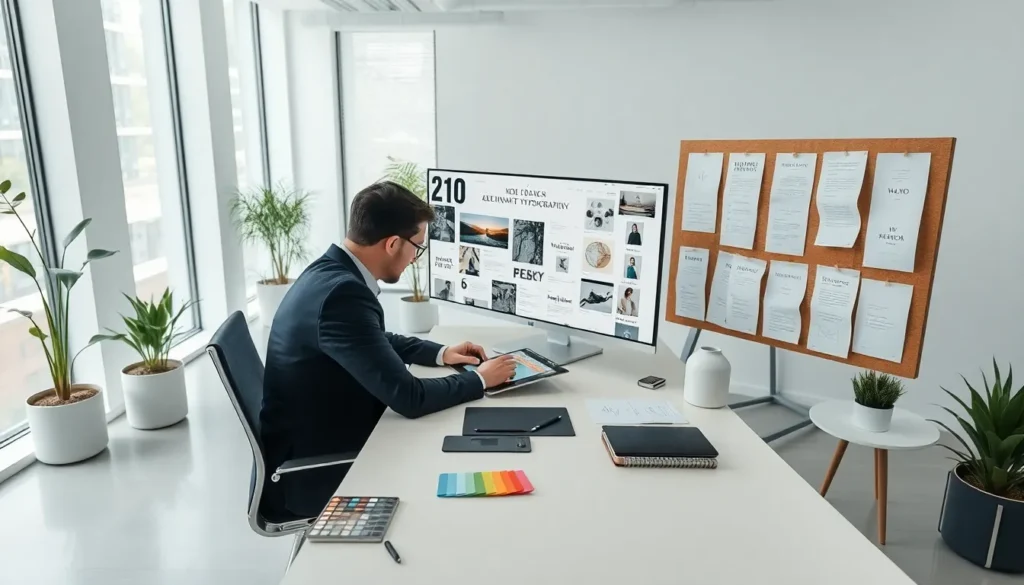
Every creative project starts with an idea. But not just any idea, a strong design concept that gives your work direction, purpose, and visual impact. Whether you’re building a brand identity, redesigning a website, or launching a new product, design concepts ideas serve as the blueprint for everything that follows.
The challenge? Coming up with those ideas in the first place. Designers often stare at blank canvases, waiting for inspiration to strike. The good news is that creativity doesn’t have to be random. With the right approach, anyone can generate compelling design concepts ideas that turn ordinary projects into memorable ones.
This guide breaks down where strong design concepts come from, how to find inspiration, which styles are trending right now, and how to refine raw ideas into polished concepts ready for execution.
Key Takeaways
- Strong design concepts ideas share four essential traits: clarity, relevance, originality, and flexibility across formats.
- Find inspiration from diverse sources like Pinterest, Behance, nature, architecture, and even unrelated industries to create fresher concepts.
- Trending styles in 2025 include minimalism, bold typography, retro aesthetics, 3D effects, and dark mode designs.
- Always start with rough sketches and mood boards before jumping into design software to explore ideas quickly.
- Develop at least three different design concepts ideas per project and gather feedback early to identify strengths and weaknesses.
- Simplify during refinement—every element should serve the concept, and anything that doesn’t should be removed.
Understanding the Foundation of Strong Design Concepts
A design concept is more than a pretty picture. It’s the central idea that ties every visual element together. Think of it as the “why” behind your design choices.
Strong design concepts share a few key traits:
- Clarity: The concept communicates a single, focused message. Viewers understand it quickly.
- Relevance: It connects to the target audience’s needs, values, or emotions.
- Originality: It stands apart from competitors while still feeling appropriate for the context.
- Flexibility: The concept works across different formats and applications.
For example, Apple’s design concept centers on simplicity and premium quality. Every product, advertisement, and packaging decision reflects this idea. The concept stays consistent whether you’re looking at an iPhone box or a billboard.
Design concepts ideas don’t appear from thin air. They grow from research. Before sketching anything, successful designers study their audience, analyze competitors, and define the problem they’re solving. This groundwork shapes concepts that actually resonate.
Without a clear concept, designs become a collection of random choices. Colors clash. Typography feels disconnected. The overall effect confuses rather than persuades. A solid foundation prevents these issues and gives creative decisions a logical anchor.
Where to Find Inspiration for Design Ideas
Inspiration exists everywhere, but knowing where to look speeds up the process.
Digital Platforms
Pinterest remains one of the best tools for collecting design concepts ideas. Its visual search feature helps designers discover related styles and color palettes quickly. Dribbble and Behance showcase professional work from top creatives worldwide. These platforms let you filter by category, color, or industry.
Instagram also delivers fresh design inspiration daily. Following hashtags like #graphicdesign, #brandidentity, or #uxdesign fills your feed with current trends and experimental work.
Physical Environments
Screens aren’t the only source. Architecture, street art, retail displays, and product packaging all offer design concepts ideas worth studying. A walk through a museum or a stroll down a city street can trigger unexpected creative connections.
Nature provides another rich source. Organic shapes, color combinations in flowers, and textures in bark or stone have inspired designers for centuries.
Cross-Industry Exploration
Some of the best design concepts ideas come from unrelated fields. A fashion collection might inspire a website layout. A film’s color grading could suggest a brand palette. Music album art often pushes visual boundaries that translate well to other projects.
Designers who limit themselves to their own industry risk producing generic work. Borrowing ideas from unexpected places creates fresher, more distinctive concepts.
Competitor Analysis
Studying what others in your space are doing serves two purposes. First, it reveals what’s already been done, helping you avoid accidental duplication. Second, it highlights gaps and opportunities. Where are competitors playing it safe? What visual territory remains unclaimed?
Popular Design Concept Styles Worth Exploring
Design trends shift constantly, but certain styles have staying power. Here are some design concepts ideas that continue to resonate in 2025:
Minimalism
Less really is more. Minimalist design strips away unnecessary elements, leaving only what serves the message. White space becomes a deliberate choice. Typography does heavy lifting. This approach works especially well for luxury brands, tech companies, and anyone wanting a clean, modern feel.
Bold Typography
Oversized, expressive type dominates many current design concepts ideas. Designers use custom fonts, mixed weights, and unconventional layouts to make text itself the visual centerpiece. This style grabs attention fast and works across digital and print media.
Retro and Nostalgic
70s earth tones, 90s grunge aesthetics, and Y2K metallics have all made comebacks. Nostalgia creates emotional connections. Audiences feel warmth toward designs that remind them of earlier eras, even if they didn’t live through them.
3D and Dimensional Effects
Advances in software have made 3D design more accessible. Floating objects, realistic textures, and depth effects add visual interest without overwhelming viewers. This style appears frequently in product visualization, gaming, and tech branding.
Organic and Hand-Drawn Elements
Imperfect lines, hand-lettered text, and illustration-based graphics feel human and approachable. They contrast sharply with polished corporate aesthetics, making them ideal for brands wanting warmth and authenticity.
Dark Mode Aesthetics
Dark backgrounds with bright accent colors create dramatic contrast. This style reduces eye strain on screens and feels sophisticated. Many apps and websites now default to dark themes, making this one of the most practical design concepts ideas for digital projects.
How to Develop and Refine Your Design Concepts
Having ideas is one thing. Turning them into finished designs requires a clear process.
Start with Sketches
Don’t jump straight to software. Rough pencil sketches let you explore design concepts ideas quickly without getting distracted by tools. Draw ugly versions. Draw weird versions. The goal is quantity over quality at this stage.
Create Mood Boards
Gather images, colors, textures, and typography samples that capture the feeling you want. Mood boards align your vision before detailed work begins. They also help communicate concepts to clients or team members.
Test Multiple Directions
Rarely does the first idea win. Develop at least three different design concepts ideas for any project. Present them side by side. This comparison reveals strengths and weaknesses you might miss when focusing on a single option.
Gather Feedback Early
Show rough concepts to colleagues, clients, or even friends outside the design field. Fresh eyes catch problems and spot potential that creators often overlook. Don’t wait until a design is finished to ask for opinions.
Iterate and Simplify
Most early concepts include too much. As you refine, ask: what can be removed without losing the message? Each element should earn its place. If something doesn’t serve the concept, cut it.
Document Your Rationale
Explain why you made each decision. This practice strengthens your thinking and makes client presentations more persuasive. Design concepts ideas backed by clear reasoning gain approval faster than those presented without context.