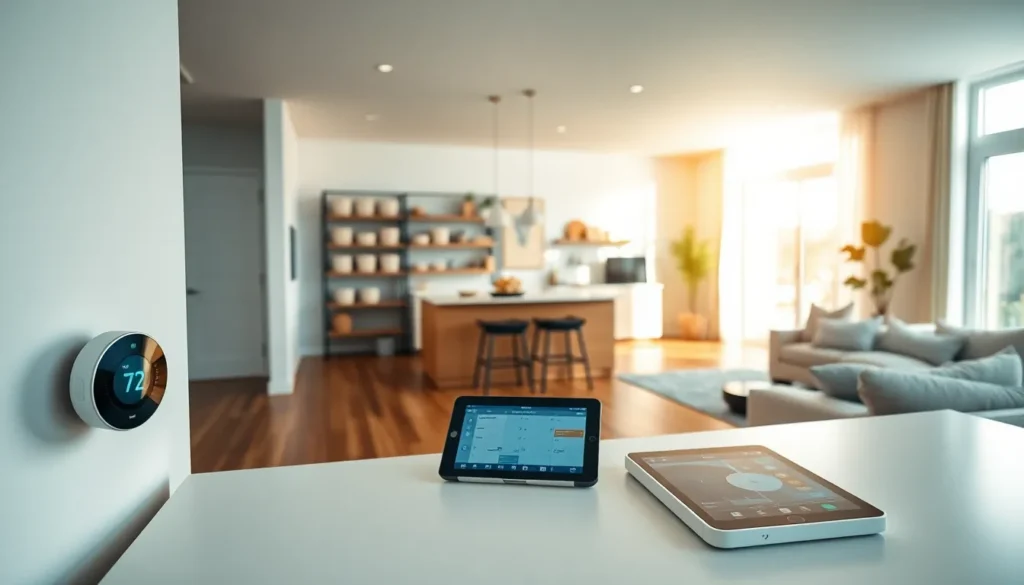
Smart living tips ideas can transform how people manage their homes, time, and energy. The concept goes beyond fancy gadgets, it’s about making intentional choices that reduce friction in daily life.
Modern households face constant demands. Work schedules blur into personal time. Clutter accumulates faster than anyone can address it. Energy bills climb while patience runs thin. These challenges push many people toward smarter solutions.
This article covers practical strategies for automating home tasks, building better routines, adopting sustainable habits, organizing spaces, and using technology effectively. Each section offers actionable ideas that readers can carry out today. No expensive overhauls required, just smart adjustments that add up to significant improvements.
Key Takeaways
- Smart living tips ideas focus on intentional choices that reduce daily friction—no expensive overhauls required.
- Home automation tools like smart thermostats and plugs can save homeowners 10% or more on energy costs annually.
- Batching tasks, time blocking, and following the two-minute rule streamline routines and reduce mental load.
- Sustainable habits like using LED bulbs, reusable products, and meal planning save money while helping the environment.
- Decluttering with strategies like the one-in-one-out rule creates calmer, more organized living spaces.
- Productivity apps for tasks, calendars, and passwords let technology simplify life rather than complicate it.
Automate Your Home for Effortless Efficiency
Home automation sits at the core of smart living tips ideas. The goal is simple: let technology handle repetitive tasks so people can focus on what matters.
Start with smart thermostats. Devices like the Nest or Ecobee learn household patterns and adjust temperatures automatically. The U.S. Department of Energy estimates that programmable thermostats can save homeowners around 10% on heating and cooling costs annually. That’s real money back in pocket.
Smart lighting makes a difference too. Motion sensors in hallways and bathrooms eliminate the “who left the light on” debate. Scheduled dimming in the evening can improve sleep quality by signaling the body to wind down.
Voice assistants pull everything together. Amazon Alexa, Google Home, and Apple HomePod can control lights, locks, music, and appliances through simple commands. Setting up routines, like “Good Morning” triggering lights, coffee maker, and news briefing, saves several minutes each day.
For those hesitant about cost, smart plugs offer an affordable entry point. They turn any device into a controllable one. A lamp, fan, or space heater becomes programmable for under $15.
Robot vacuums deserve mention here. Models from iRobot, Roborock, and Eufy handle floor cleaning while owners work or sleep. It’s one less chore demanding attention.
Streamline Your Daily Routines
Smart living tips ideas extend beyond gadgets into habit design. The way someone structures their day determines how much energy they have left by evening.
Batch similar tasks together. Running errands in one trip instead of three saves fuel and time. Preparing meals for the week on Sunday afternoon eliminates daily cooking decisions. This approach reduces mental load significantly.
Create morning and evening anchors. A consistent wake-up routine, same time, same sequence, helps the brain operate on autopilot during groggy hours. Evening routines that include tomorrow’s prep (outfit selection, bag packing, lunch assembly) make mornings calmer.
The two-minute rule works wonders. If a task takes less than two minutes, do it immediately. Hanging up a coat, responding to a quick email, wiping down a counter, these small actions prevent pile-ups that feel overwhelming later.
Time blocking protects priorities. Instead of reacting to whatever demands attention, smart living means scheduling important tasks first. Calendar blocks for exercise, focused work, and family time ensure these don’t get squeezed out.
Some people find success with “theme days.” Monday for administrative tasks. Wednesday for creative projects. This reduces context-switching, which research shows drains cognitive resources.
Embrace Sustainable Habits That Save Money
Sustainability and smart living tips ideas overlap more than most realize. Eco-friendly choices often reduce expenses while simplifying life.
LED bulbs last longer and use 75% less energy than incandescent options. Switching a home’s lighting pays for itself within months. The Environmental Protection Agency confirms this math holds up across virtually all scenarios.
Reusable products cut recurring costs. Water bottles, shopping bags, and food storage containers eliminate repeat purchases. A quality stainless steel bottle costs $20 once versus $3 weekly for disposable alternatives.
Energy vampires drain wallets silently. Devices in standby mode still consume power. Smart power strips cut electricity to idle electronics automatically. This alone can save $100-200 annually for average households.
Water conservation adds up quickly. Low-flow showerheads reduce usage by 40% without noticeable pressure changes. Fixing a dripping faucet can save 3,000 gallons per year.
Meal planning reduces food waste dramatically. Americans throw away roughly 30-40% of their food supply according to USDA data. Planning meals around existing ingredients and buying only what’s needed keeps groceries out of trash cans and money in accounts.
These sustainable smart living tips ideas prove that environmental responsibility and financial health aren’t competing goals, they’re partners.
Declutter and Organize for a Clearer Mind
Physical clutter creates mental clutter. Smart living tips ideas must address the stuff that accumulates in every home.
The one-in-one-out rule prevents accumulation. For every new item entering the home, one existing item leaves. This simple boundary keeps possessions at a manageable level without requiring dramatic purges.
Vertical storage maximizes space. Wall-mounted shelves, over-door organizers, and stackable containers make use of areas that typically go unused. Small apartments benefit especially from this approach.
Label everything. Clear containers with visible labels eliminate the “where did I put that” problem. Family members can find and return items without asking. This alone saves hours of frustration monthly.
Digital clutter counts too. Unsubscribing from promotional emails, organizing computer files into logical folders, and deleting unused apps keeps digital spaces functional. A cluttered inbox creates the same stress as a cluttered desk.
The 90/90 rule helps with tough decisions. If an item hasn’t been used in the last 90 days and won’t be used in the next 90, it probably should go. This framework removes emotional attachment from practical choices.
Organized spaces support organized thinking. People who carry out these smart living tips ideas often report feeling calmer and more focused at home.
Use Technology to Boost Productivity
Technology becomes a smart living ally when used intentionally. The right tools amplify human capability rather than distract from it.
Task management apps keep priorities visible. Options like Todoist, Things 3, and Microsoft To Do allow users to capture tasks, set deadlines, and organize projects. The best system is whichever one gets used consistently.
Calendar apps prevent overcommitment. Seeing all obligations in one view reveals scheduling conflicts before they become problems. Shared family calendars eliminate the “I didn’t know you had practice tonight” conversations.
Password managers solve a universal headache. LastPass, 1Password, and Bitwarden generate and store secure passwords. Users remember one master password instead of dozens. Security improves while mental load decreases.
Note-taking apps capture ideas before they escape. Evernote, Notion, and Apple Notes sync across devices. A thought that strikes during commute becomes available at the desk later. Nothing important slips through cracks.
Automation tools connect apps together. Services like IFTTT and Zapier create workflows between different platforms. New email attachment automatically saves to cloud storage. New calendar event automatically texts a reminder. These connections eliminate manual steps.
Smart living tips ideas around technology focus on reduction, fewer passwords to remember, fewer manual transfers, fewer missed commitments. Technology should simplify, not complicate.